
Jane has been walking into the same cafe every Saturday for two years. She smiles, sits at her usual table, and orders the banana pancakes. This Saturday the batter ran out at 10:40. Nobody could tell her ahead of time, because the menu on the table was printed three weeks ago, and it still says banana pancakes.
She did not complain. She ordered something else, a little disappointed, and the cafe lost a bit of the magic that made her a regular.
That small moment is why we are building Live QR Menu.
We are still choosing the final product name, so for now we are calling it Live QR Menu. The beta is coming this November, and this post is a soft introduction: what it is, what problem we are trying to solve, and what you can expect first.
The problem is small, and it happens every day
None of these problems is dramatic on its own. Together, they quietly cost small restaurants time, money and loyalty.
Every price change means a reprint. Flour goes up, a supplier changes, you add a daily special. The printed menu is now wrong, and fixing it costs money and an afternoon. Premium menu books look beautiful, but they are expensive to produce, and a guest usually skims them in half a minute anyway.
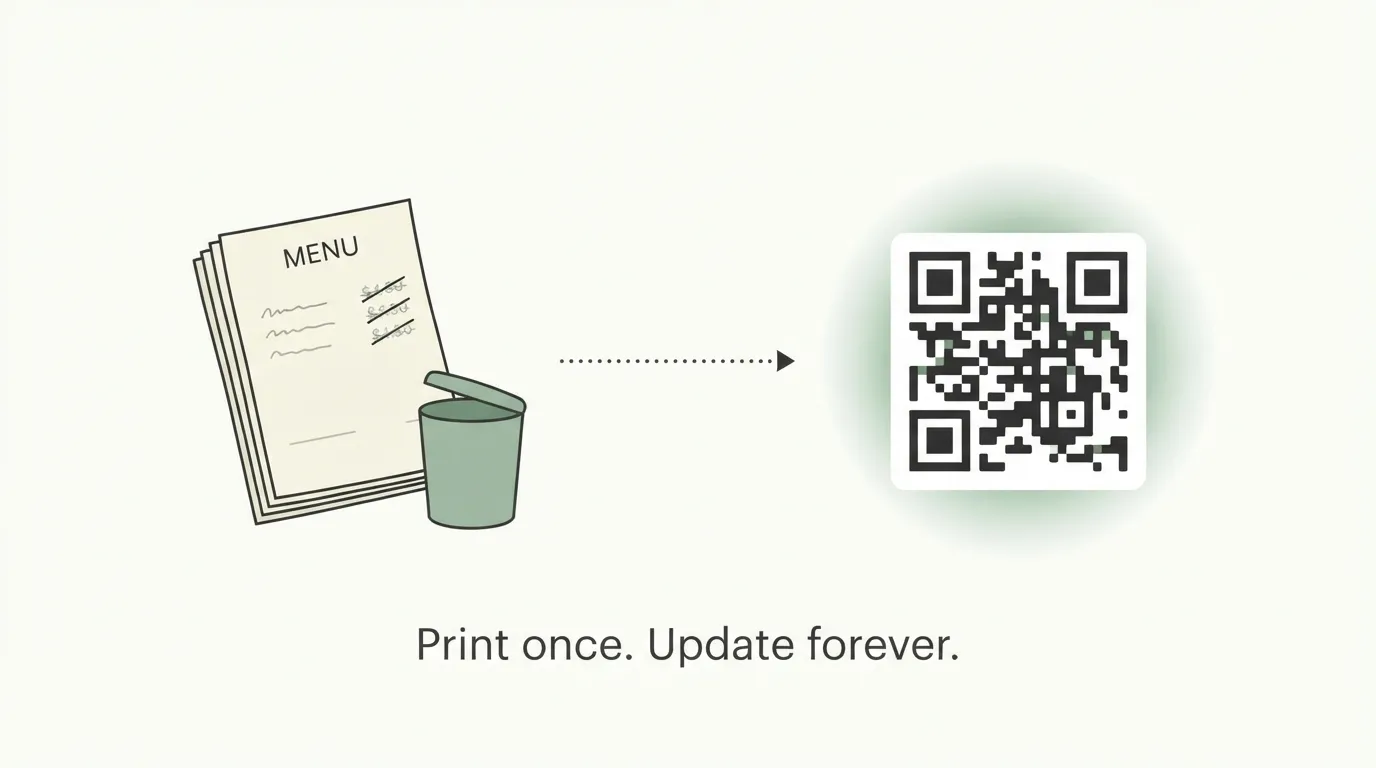
Regulars can't see what is gone. We tend to be loyal to the places we go to, and loyal people have patterns. They want to know if their favorite is still available, or that the lunch deal ends at 1pm, so they can decide before they walk over. A printed menu cannot tell them any of that.
Shared paper is something a lot of hands touch. COVID made all of us notice how many people handle a menu in a day. Plenty of us never stopped noticing. An unnecessary touch avoided is a small blessing.
Full restaurant software is often too much. A complete ePOS system solves real problems for operations big enough to need it. For a cafe, a cart, a corner joint or a small group of locations, it can turn into a second job: hardware, training, contracts. Small and medium operations still deserve modern tools. They just should not have to carry a heavy system to get them.
What Live QR Menu is
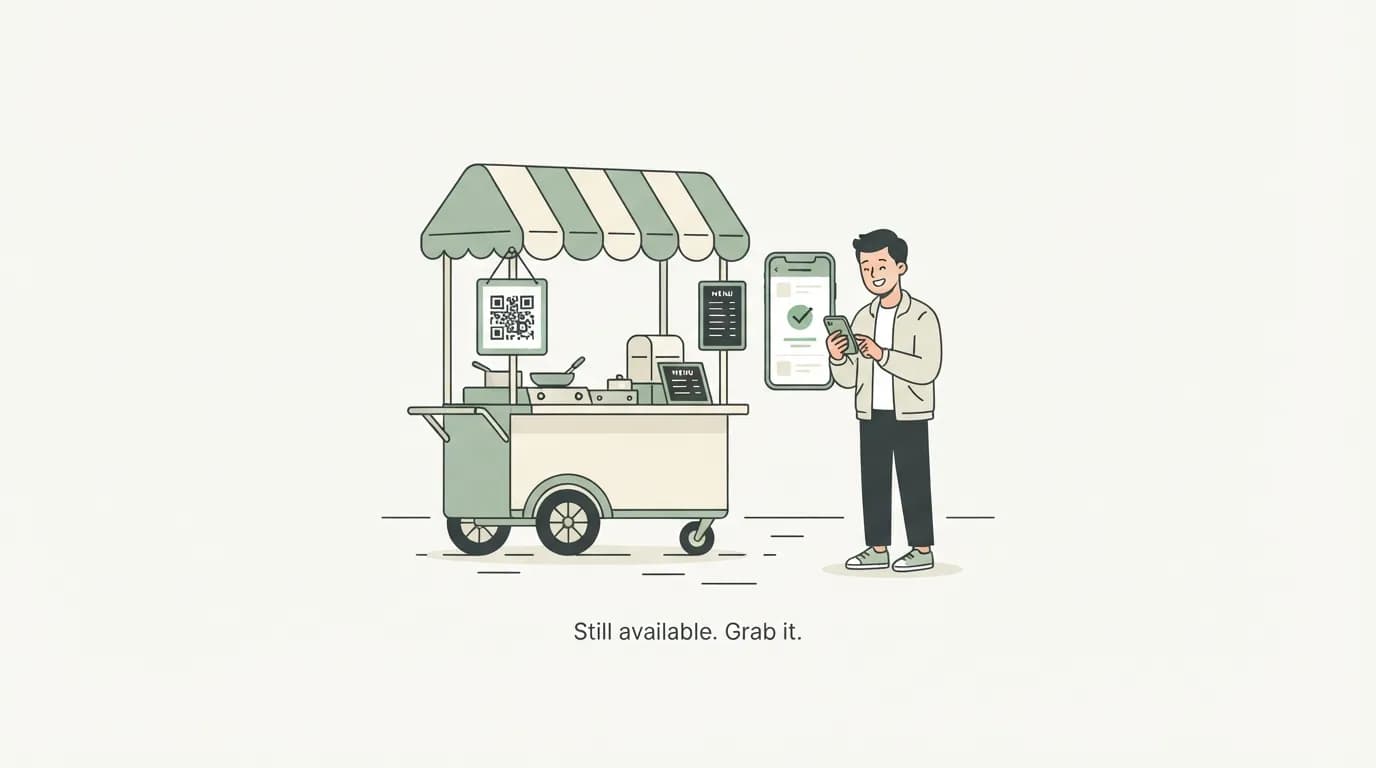
It is one menu, behind a QR code and a link, that is always current. The owner or the team manages it from a phone: from the kitchen, from the sink, or while serving a table.
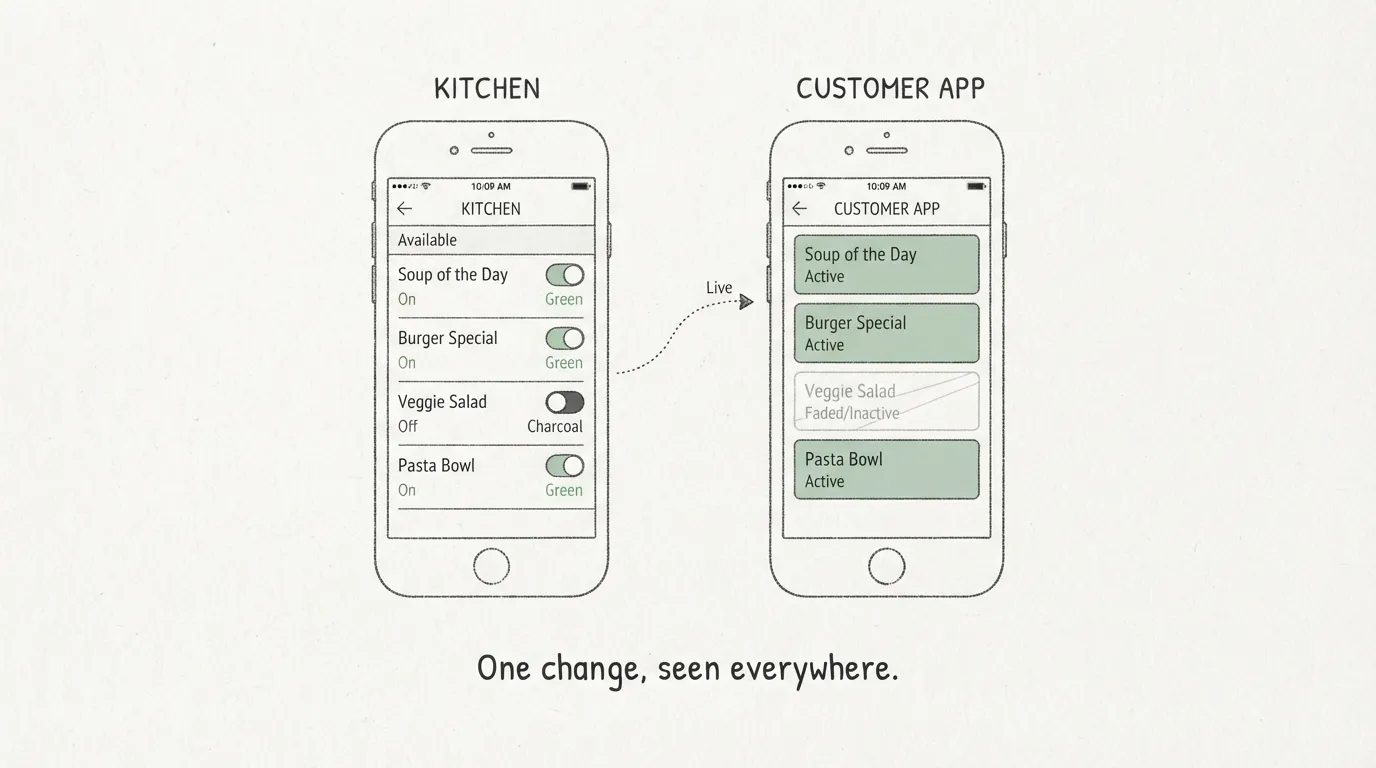
Sold out of something mid-rush? Open the phone, switch the item off, and it is gone from the menu your guests see. Changed a price? Update it once. The QR code on the table never changes, so nothing needs reprinting.
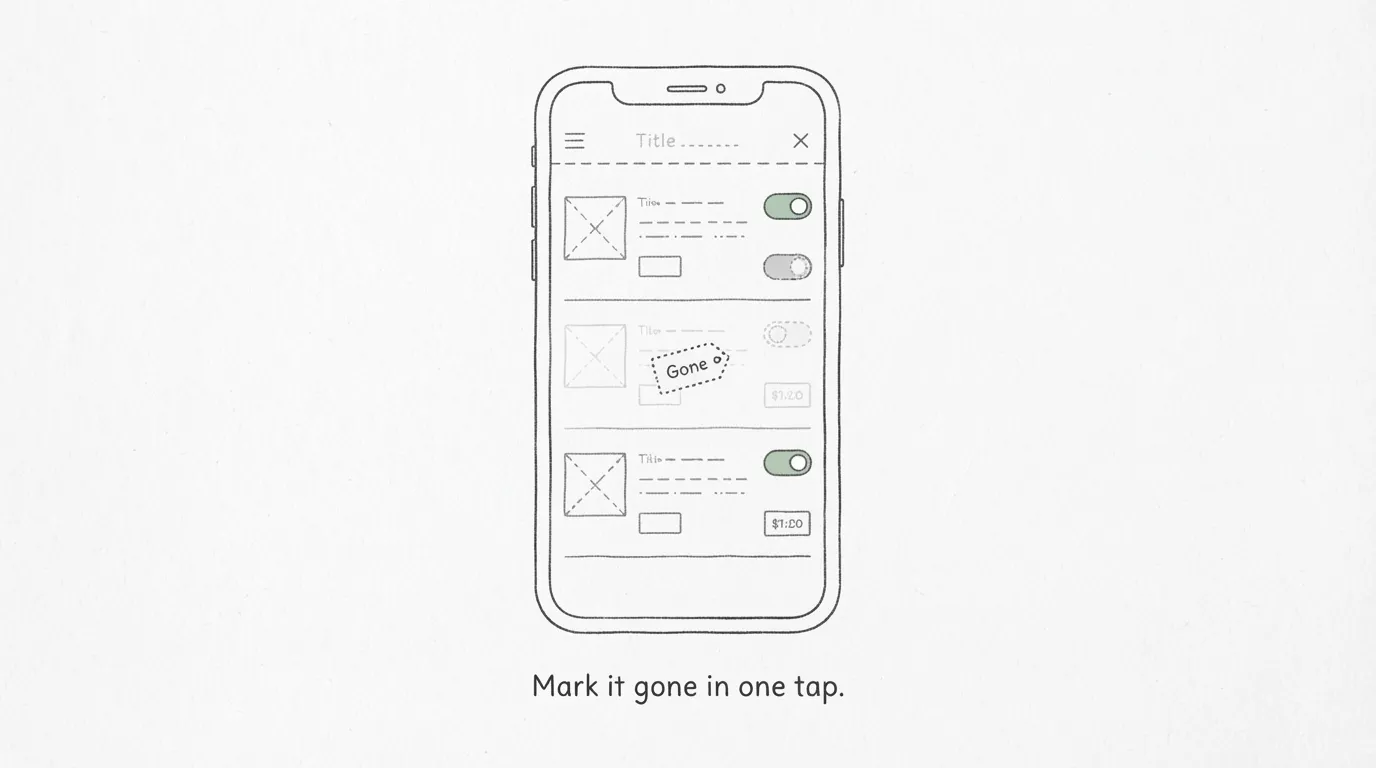
We designed it mobile first. You can manage everything on a desktop if you like, but we optimized for the phone in your hand, because that is what is within reach in a working kitchen.
What is coming in the beta
Here is what we are focused on for the first release:
- A live menu, reachable by QR code and by a simple link.
- Mark any item available or gone with one tap, from your phone.
- Edit prices, descriptions and categories whenever you need to.
- Start from a photo of your printed menu. Upload it, check what we read, add other languages if you want, and go live.
- Languages and currencies from the start, without distorting how your menu looks.
- Menus with photos or text only, with a similar experience either way.
- Opening hours and locations, so guests see when you are open and where to find you.
We are also working toward lightweight ordering (by WhatsApp or directly on the platform), pickup, takeaway, delivery and on-site eating, along with loyalty cards, anonymous customer insights and e-receipts. We are not promising dates for those yet. We would rather ship the simple part well first.
What is in it for restaurants
- No more reprinting when a price or an item changes.
- No special hardware. Your phone and the devices you already own are enough.
- No branded app to build or maintain. Guests open a link. A mobile-optimized website does the job.
- Your menu carries your identity, not ours.
- A small flat monthly fee, which is what we are aiming for, instead of a cut of every order.
That last point matters. Third-party delivery platforms advertise commissions of roughly 15 to 30 percent per order, and owners often report the all-in cost landing higher. Many small operations would rather deliver to the neighborhood around them themselves and keep the margin. We want to make that easier, not take a percentage for it.
We also want the data to stay between you and your customers. The idea is simple: your business, your customers, anonymous insights, and no third-party sharing.
What is in it for customers
- See what is available right now, and what is already gone.
- See today's prices, not last month's.
- Spot the chef's deal that started at noon, or learn that your favorite ends at 1pm before you walk over.
- Keep the menu in your pocket, in a language you read.
- Nothing to touch, and nothing to install.
To be fair, plenty of diners still love holding a paper menu, and a slow, clumsy QR page does more harm than good. So we are keeping the page light and easy to read, and nothing stops a restaurant from keeping a few paper copies at the counter.
The bigger picture: a whole restaurant website
The live menu is the first piece. It sits on top of our site-engine and content technology, which means a restaurant's page is a real website: opening hours, locations, call and directions buttons, a WhatsApp link, and a menu that stays current.
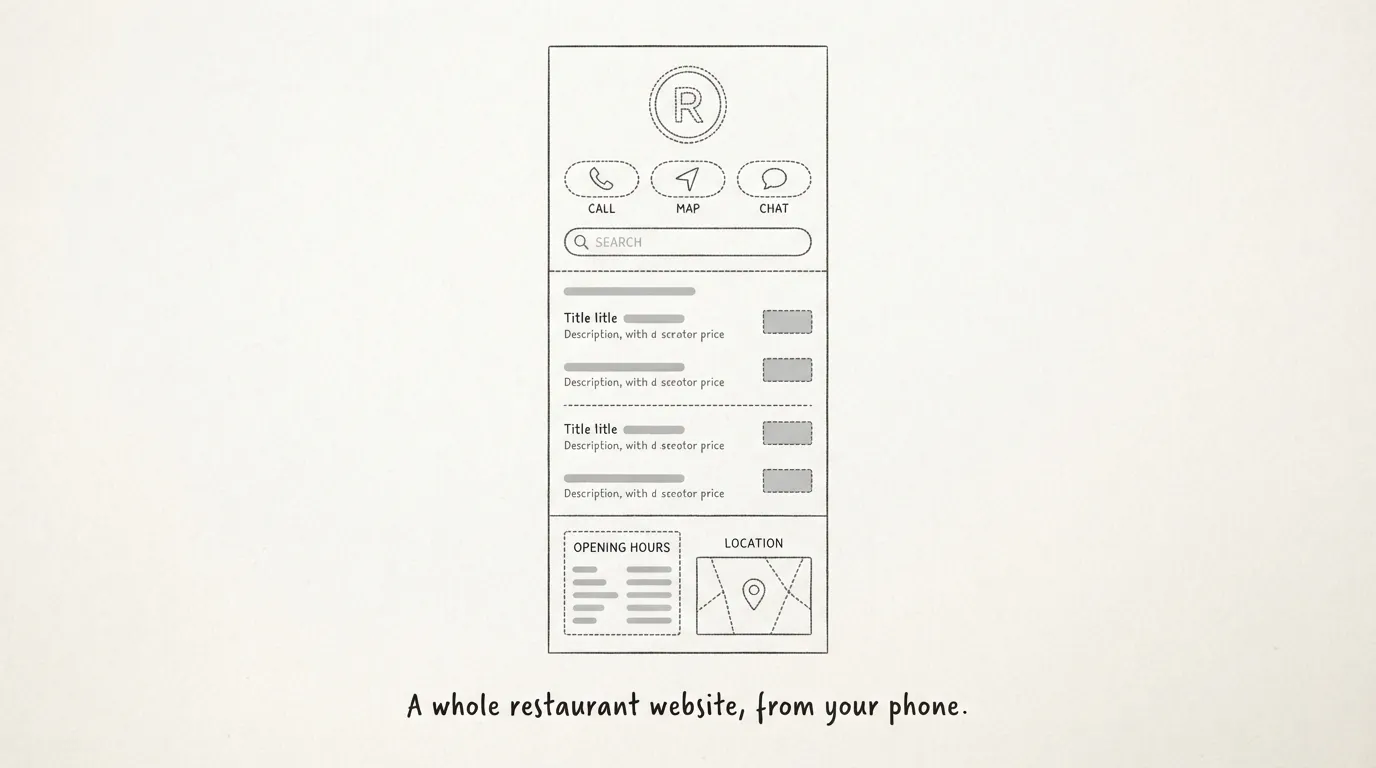
Because the sites are built from customizable building blocks, they can be designed to match each restaurant. Further down the road, we want AI to help with that: describe what you want in plain, even messy words, and let the system handle the layout so it still looks like a professional did it. Localized search and AI answer optimization, so nearby customers can find a restaurant by what it serves, is also on our list after the beta.
We believe in keeping it simple. You will not find spinning gimmicks here, or beautiful screens with nothing behind them. The goal is a real connection between a restaurant and its customers, without heavy operational or IT cost.
A small promise
We are still deciding on the name. We are not still deciding on the idea: a menu that is honest about what is available right now, managed by the people who know best, from the phone already in their pocket.
Jane, your pancakes are on the menu again. And next Saturday, you will know before you leave the house.
Insights, Playbooks, Tips & Kits
Want real patterns from my journey building and selling SaaS & apps. DIY playbooks, code-ready starter kits, and the operational moves that let you scale without the overhead. For builders who learn best from firsthand mistakes, real wins & experience.